Car Wash in Lafayette, IN: A Practical Guide for Everyday Drivers
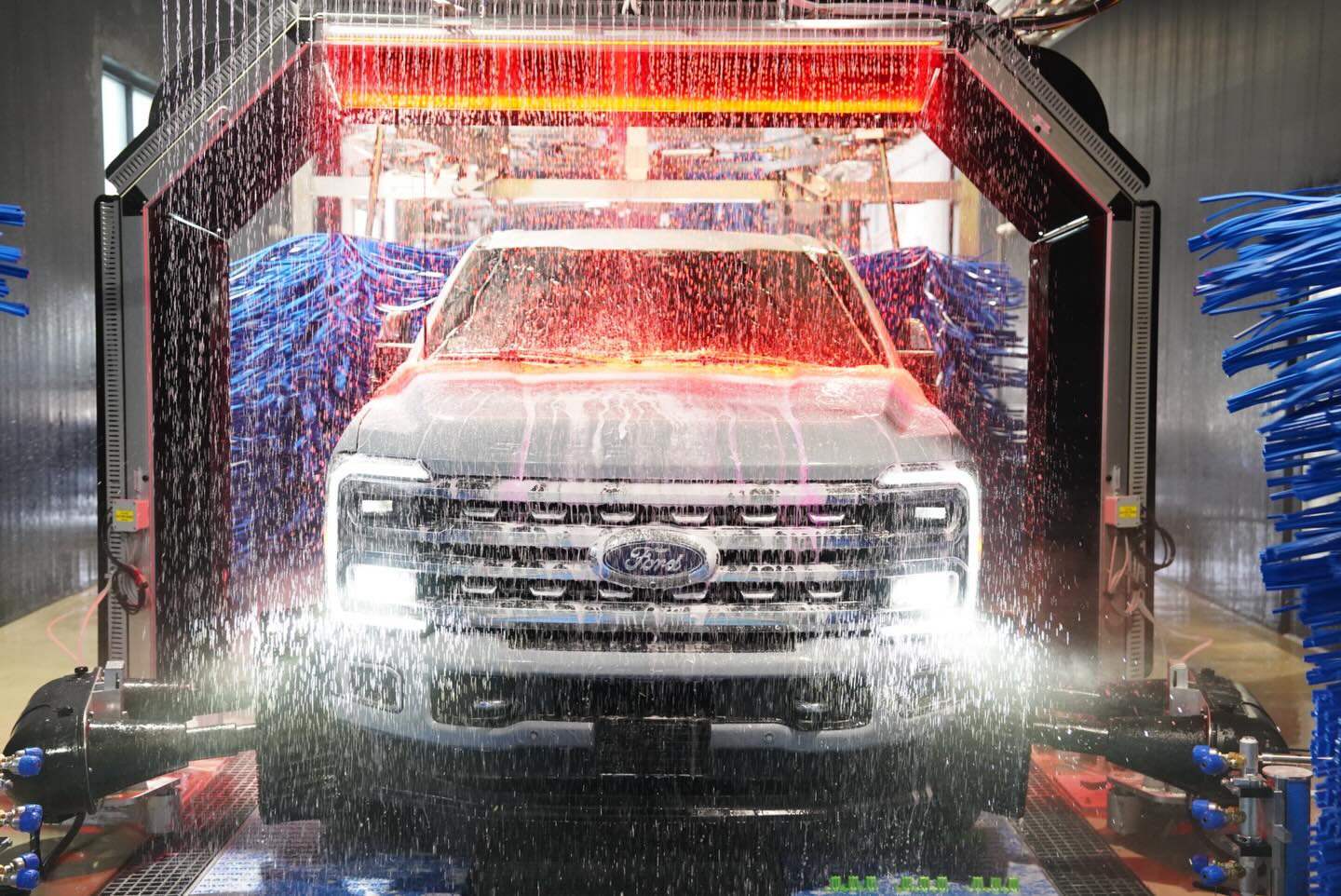
Keeping a car clean seems simple until you try to fit it into a busy day. Many drivers in Lafayette, IN, juggle tight schedules, often choosing a wash based on whatever is closest to their route. But a quick decision can lead to long lines, unclear rules, or a wash that does not suit the weather or the season. A little planning for a car wash in Lafayette, IN, helps you avoid all that.
This guide breaks down what to look for in a local wash, the features that matter in Indiana’s climate, how to prep your vehicle, and how often to wash through the seasons. Think of it as a road map you can skim once and use all year.
What actually matters when choosing a car wash?
Most people care about the same three things: time, results, and ease. But choosing a car wash in Lafayette involves a few extra details because of winter salt, frequent rain, and the amount of rural dust carried through the county.
Here’s a simple test before you commit to any wash:
- If you want speed, look for a tunnel wash that runs in about three minutes. Anything that requires driving around the building twice or stopping at multiple stations will slow you down.
- If you want cleaner wheels, choose a package that includes a wheel pass or a tire scrub. Dust from country roads and brake buildup will stay behind if the wash only hits the top surfaces.
- If you want both exterior and interior refresh, pick a wash with free vacuums on-site. A clean exterior feels pointless when gravel and crumbs stay on the floor mats.
- If you want predictable results, check for clear fit guidelines. Knowing the height, width, and accessory restrictions saves you from reaching the pay station only to be turned away.
A common mistake is assuming all tunnel washes work the same. Some have conveyor rails that struggle with wide tires or low cars. Belt conveyors handle both better, so they’re worth looking for if you drive an SUV, a sedan with low clearance, or a dually truck.
How location changes your choice in Lafayette
The best car wash in Lafayette, IN, for you is often the one that sits along your normal route. In Lafayette, traffic builds around Sagamore Parkway, SR 26, and I-65. Being near one of these roads can save you a second trip.
Here are a few location-based decision rules:
- If you commute to Purdue, look for something near Sagamore or the east side so you can stay on your route without a detour.
- If you live outside town, a wash close to an I-65 exit keeps things efficient.
- If you run errands on SR 26, staying near big shopping areas helps you fit a wash between stops.
A wash that’s out of the way is often the wash you skip. Convenience matters more than most people admit.
Understanding wash packages: a simple way to choose
Wash menus can feel like restaurant boards with too many add-ons. Instead of comparing everything, use a simple rule:
- If you wash once a week or less often, pick a basic or mid-level wash. You only need enough cleaning power to remove road film, dust, and light grime.
- If you often drive through construction areas, rural roads, or winter slush, choose a package with an underbody rinse. Salt and mud collect in places you cannot reach with a hose at home.
- If you prefer longer-lasting shine, go for a package with wax or ceramic layers. These coatings won’t turn your car “new,” but they help water and dirt slide off between washes.
Below is a breakdown of the four common wash types found at many tunnel washes in Lafayette, written in plain terms:
1. Maintenance wash
- Good for quick cleans and weekly upkeep.
- Usually includes spot-free rinse and dryer pass.
2. Wheel and underbody wash
- Best after winter storms or gravel roads.
- Helps clear salt and mud buildup.
3. Full-service exterior wash
- Adds wax or shine treatments.
- Good for drivers who want their car to look clean a bit longer.
4. Ceramic package
- Builds a stronger protective layer.
- Useful if your vehicle sits outside most days.
You don’t need the highest package every time. Many Lafayette drivers rotate between a cheaper wash for maintenance and an upgraded wash after bad weather.
What to expect the first time you use an automatic tunnel wash
If you haven’t been through a belt-conveyor tunnel before, the process is quick once you know the steps. Here’s a simple flow:
- Choose your wash at the kiosk.
- Keep your wheels straight and follow staff signals.
- Shift to neutral and turn off the wipers.
- Let the belt carry the vehicle, no brakes, no steering.
- Watch for the exit sign and drive out when told.
- Use the vacuum area and trash cans to finish up.
Common mistakes first-time users make:
- Forgetting to remove trailer hitches or bike racks.
- Leaving loose items in the truck bed.
- Touching the brakes inside the tunnel.
- Turning the wheel while on the belt.
If you remember the “neutral, no brakes, no steering” rule, everything goes smoothly.
Will your vehicle fit? A quick size check
Most tunnels in Lafayette follow similar guidelines. While measurements vary slightly, here’s the typical range:
- Height limit: Around 7’2”
- Width limit: About 8 feet mirror-to-mirror
- Tire width: Up to 29½ inches
Before you head out, do the 60-second prep check:
- Remove trailer hitches.
- Take off bike racks and roof carriers.
- Empty the truck bed.
- Fold in mirrors if your vehicle is wide.
- Turn off rain-sensing wipers.
This quick checklist lowers the chance of getting turned around at the gate.
How often should you wash your car in Indiana’s seasons?
Indiana weather changes fast, and washing needs to shift with it. Here’s a practical schedule for drivers around Lafayette:
- Winter (salt season): Wash after driving on salted roads. Salt sticks to metal and speeds up rust, so focus on underbody cleaning.
- Spring (pollen season): Wash when the glass looks hazy or yellow dust collects on the hood. Pollen holds moisture that can stain over time.
- Summer (bugs and tree sap): Insects bake onto paint during long drives. Sap hardens if ignored. A light wash every 1–2 weeks helps.
- Fall (rain spots and road film): Moisture and dust mix into a thin layer that dulls paint. Wash before long trips or before cold fronts.
Some drivers prefer a weekly routine. Others wash after major weather changes. Both approaches work as long as you clean salt, bugs, and sap before they set.
Why commercial car washes protect local waterways
Many people still wash their cars at home, but driveway washing sends soapy runoff straight into storm drains. The City of Lafayette explains that storm drains lead to creeks and rivers, not treatment plants. This means oil, dirt, and detergent end up in natural waterways.
Commercial car washes handle water differently:
- Wash water is collected under the conveyor.
- It passes through reclaim tanks.
- It is filtered and reused or routed into the sanitary sewer system.
- The wastewater is treated before release.
This process keeps grime and chemicals out of local streams. It also uses less fresh water than driveway washing because recycling systems reduce overall usage.
The Bottom Line
Picking a car wash in Lafayette, IN, does not need to be complicated. Start with your daily route, check the height and width limits, look for clear instructions, and choose a wash package based on weather and driving habits. A tunnel wash with free vacuums and a simple entry process makes upkeep easier, especially during busy weeks.
If you want a wash that’s quick to access near I-65, has clear vehicle guidelines, and runs on a belt conveyor that handles most common vehicles, Blue Hippo Car Wash is one option to keep in mind as you plan your cleaning routine.